It will not repair a failed part for free
Maintenance finds the weak capacitor or the leak. Fixing it is a separate, flat-priced repair that you approve before any work.
Mon–Fri 7 AM–4 PM
AC tune-ups & maintenance · Austin, TX
A real seasonal tune-up: measurements taken, parts tested, the drain cleared, and a plain-language report of what is fine and what is wearing out. If nothing needs fixing, that is exactly what you hear.
Or call (512) 692-7191 · Mon–Fri 7 AM–4 PM
 Coils rinsed clean
Drain line cleared
The checklist
Ten checks, each one a measurement or a physical test. This is the list to hold any tune-up against.
Measured in microfarads. A capacitor that has drifted is the most common reason an AC quits on a 100° afternoon.
Pitted contacts, heat-darkened wires and loose lugs are found and tightened before they fail.
By superheat and subcooling, not by glancing at a gauge. A low charge means a leak, and you are told so.
Cottonwood fluff, grass clippings and dust come off so the unit can shed heat again.
A dirty evaporator coil or blower wheel quietly costs capacity and can freeze the system.
The line is flushed and the float safety switch is tested, so a clog shuts the system off instead of staining a ceiling.
Return air against supply air. It is the quickest honest indicator of how well the system is cooling.
Compressor and fan motors are compared with their nameplates. Rising amps are an early warning.
Calibration, settings and wiring, including the heat mode you have not used since February.
Filter size and type, return openings and any obvious duct problems that are choking the system.
You get the readings in writing. A tune-up finds problems; it does not fix failed parts for free. Any repair is quoted separately as one flat price that you approve first.
Why it matters here
A system here runs for most of the year, in heat most of the country never sees. Small problems do not stay small for long.
Timing
March to May is the sweet spot for the cooling check. The schedule is open and a weak part can be replaced before it strands you in July.
October or November for the heating side: burners, igniter, heat strips or the heat pump’s reversing valve and defrost.
A lightning strike nearby, a remodel that filled the house with dust, or the first season in a home you just bought.
Straight talk
Maintenance finds the weak capacitor or the leak. Fixing it is a separate, flat-priced repair that you approve before any work.
A well-kept 16-year-old unit is still 16. You will get an honest read on how much life it likely has left.
If anyone tells you after a cheap tune-up that the system is dangerous and must be replaced today, ask for the measurements in writing and get a second opinion.
Between visits
| Task | How often | Why it matters |
|---|---|---|
| Change the air filter | Every 1–3 months | Monthly during cedar and oak pollen season or with pets. A clogged filter is the top cause of frozen coils. |
| Rinse the outdoor coil | Each spring | A gentle garden-hose rinse from the outside. Never a pressure washer: it flattens the fins. |
| Flush the condensate drain | Every 1–3 months in summer | A cup of white vinegar in the drain access keeps algae from blocking the line. |
| Keep two feet clear around the unit | Ongoing | Trim shrubs and keep mulch, leaves and fence panels away so the unit can breathe. |
| Look at the secondary drain outlet | Monthly in summer | If the pipe above a window or under the eave is dripping, the main drain is clogged. Call before the ceiling tells you. |
Questions
Something else on your mind? Call (512) 692-7191 and ask the technician directly.
Once a year for cooling, in spring. Heat pumps work in both seasons, so twice a year makes sense for them. With the hours a system runs here, skipping a year is how small issues turn into mid-summer breakdowns.
Typical Austin-area prices run about $80–$200 per system for a full tune-up. Be careful with $29 to $49 specials: at that price the visit only pays for itself if it ends in a sale. You hear our price on the phone before booking.
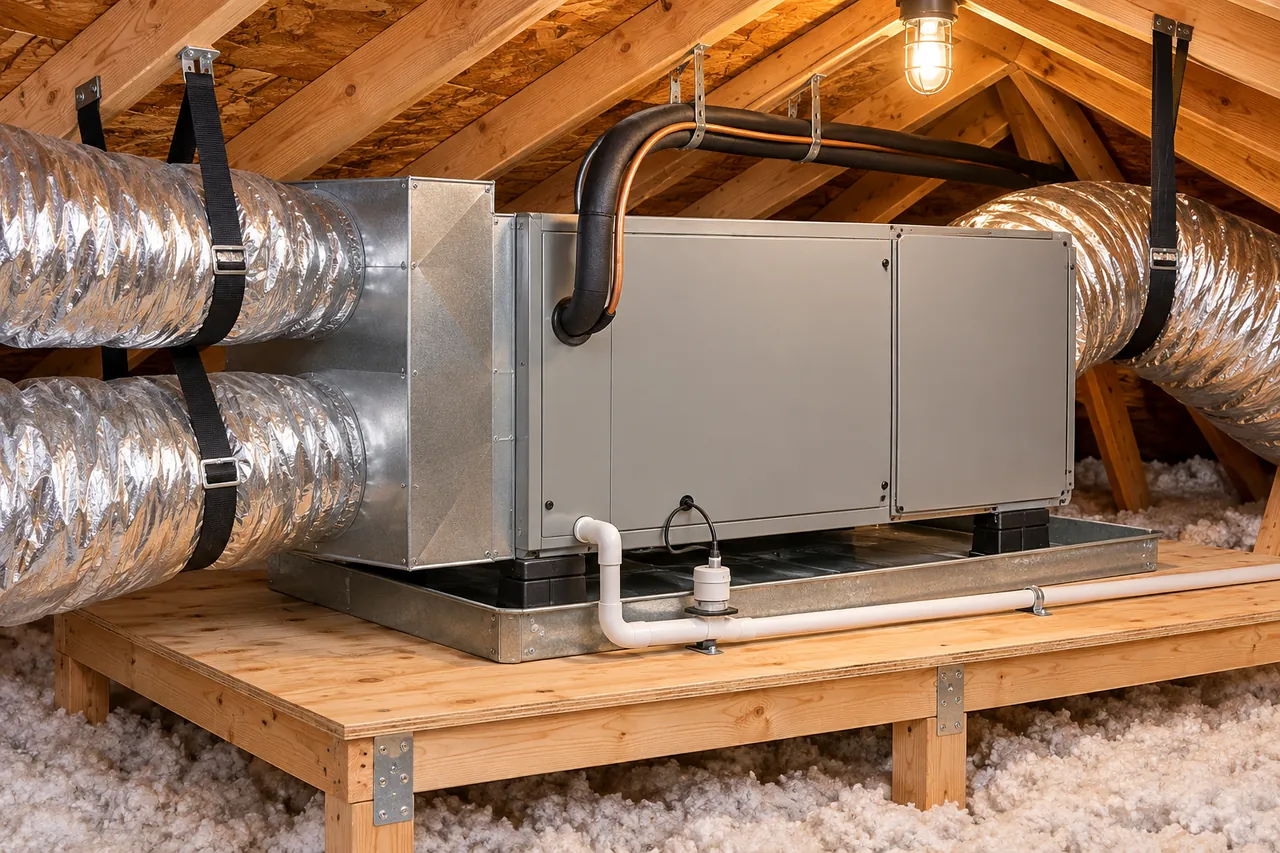
About an hour to an hour and a half per system when it is done properly, a little longer if the coils need real cleaning or the air handler is hard to reach in the attic.
Yes. Many manufacturer warranties expect maintenance to be documented, and new systems still collect pollen, clog drains and settle in. The first two years are also when installation mistakes show up.
A tune-up is inspection, cleaning and measurement on a system that is running. A repair fixes something that has failed. If the tune-up finds a failing part, you get a flat price for that repair and decide whether to do it.
Ready when you are
Leave your number and get a call back during business hours, or call now. You hear the likely cause, the timing and how pricing works before anyone rolls a truck.
(512) 692-7191Mon–Fri 7 AM–4 PM